
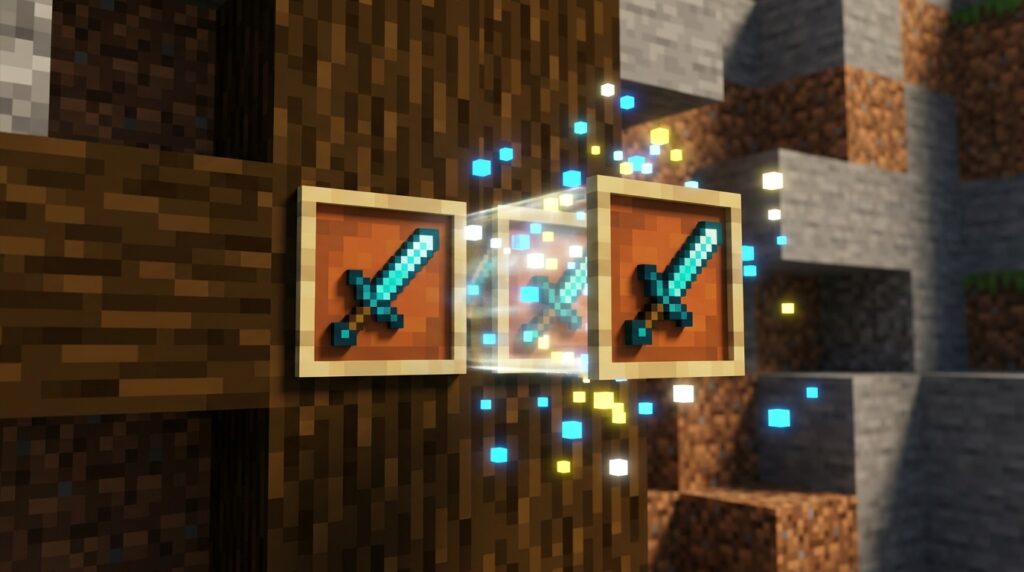
Item frame duplication once let you copy valuable items with filled item frames and pistons, but this classic trick is no longer reliable in current vanilla Minecraft. If you try it today, the result may depend on your game version, edition, or server settings. Knowing what still works can save you time and help you avoid a ban on multiplayer servers.
Older videos may show easy ways to duplicate diamonds, tools, or other items, but many of those methods were fixed or only work with special server settings. Before testing anything, check whether you are playing Java Edition or Bedrock Edition, confirm your version, and review the server rules.
Key Takeaways
- Classic item frame duplication using pistons is a historical, version-dependent bug and is generally unreliable in current unmodified vanilla Minecraft.
- Always check the exact Java or Bedrock edition, game version, and any server settings before testing, since mechanics and redstone timing can differ significantly.
- Test only in a backed-up Creative or private world with replaceable items; never risk valuable resources or a main survival save.
- Obtain permission before testing on multiplayer servers, because duplication exploits may trigger item removal, rollbacks, or bans.
Item Frame Duplication Introduction
Item frame duplication usually refers to an old Minecraft bug involving a filled item frame and a piston. In some older versions, precise piston movement or a block update could make the game drop a copy of the item while the original remained in the frame. Players used this glitch to duplicate diamonds, netherite, and enchanted gear without mods. The result depended on the game version, timing, and nearby blocks.
The classic method required triggering the piston at the right moment as the item frame moved, updated, or broke. Small changes to redstone timing, block placement, or the Minecraft edition could make the trick fail, so a setup from one version might not work in another. Current unmodified vanilla releases generally do not support this old duplication bug reliably. Treat guides that promise guaranteed results as version-specific, outdated, or intended for a server with custom settings.
If you want to test the mechanic, use a copied single-player world or a private world where everyone agrees to the test. Start with a common item instead of risking diamonds or netherite, and make a backup before you begin. Do not assume the exploit works on a shared server. Server settings, plugins, and anti-cheat tools may block it or remove duplicated items. Testing privately also helps prevent accidental damage to another player’s world or economy.
Historical Piston Duplication Mechanic
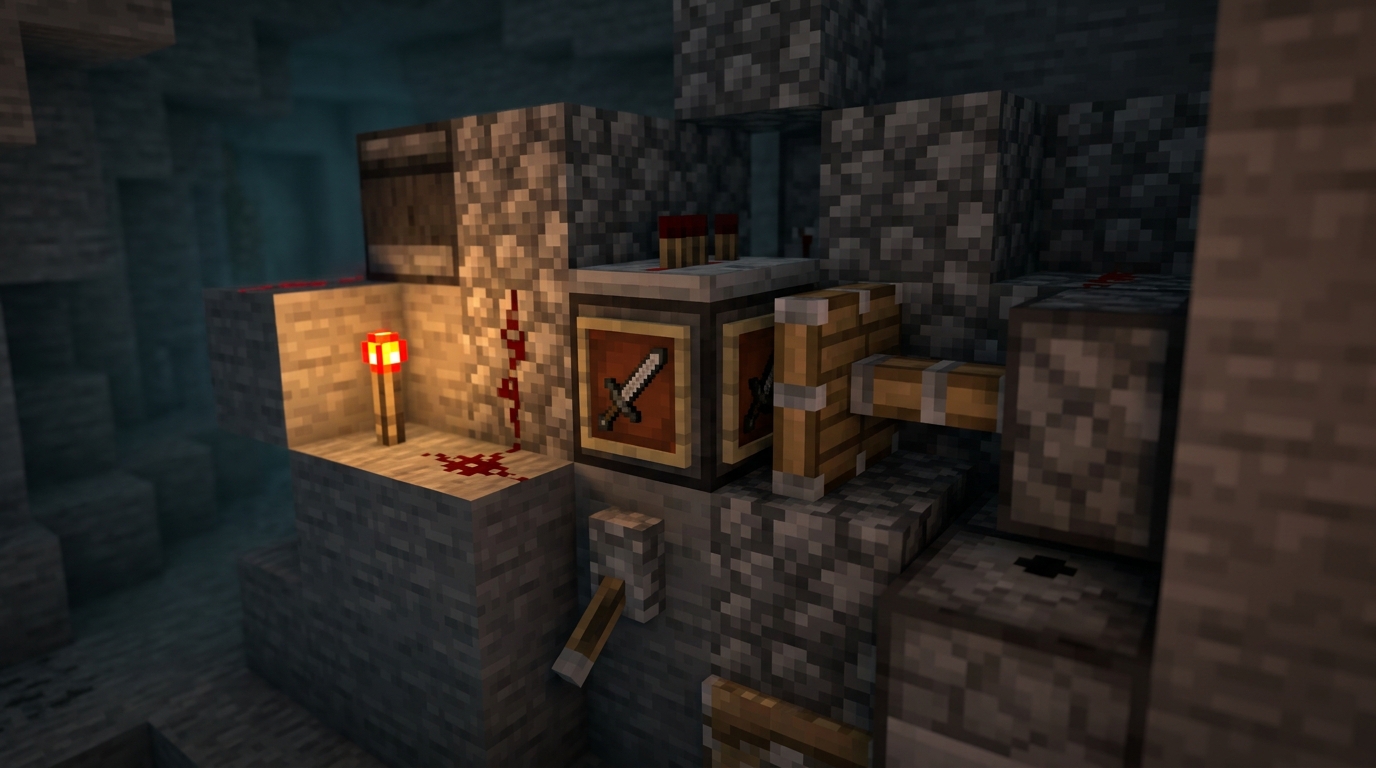
Reports of historical item frame duplication focused on a filled item frame, a piston, and a carefully timed redstone signal. In these reports, the piston moved or updated the block near the frame while the frame was breaking. The game could then process the frame’s item drop more than once. A diamond, netherite ingot, or other valuable item placed in the frame could appear as multiple drops. The result depended on the exact order of piston movement, redstone updates, and frame removal. No single setup worked in every Minecraft version.
Java Edition and Bedrock Edition handle item frames, pistons, and redstone updates differently, so a timing method from one edition might fail completely in the other. Even within Java or Bedrock, changes between releases could disable the behavior or change the required blocks and signals. Some reports used a short redstone pulse, while others relied on a piston update occurring as the frame broke. Treat these examples as historical physics bugs, not dependable features.
If you test the mechanic in a single-player or private world, check the exact edition and version before building anything around rare resources. Use a copy of your world and inexpensive items because a failed timing attempt may simply break the frame and drop the item once. Current unmodified releases generally do not support classic item frame duplication reliably, and multiplayer servers may block or punish duplication attempts. When a guide claims to work everywhere, its version details are often missing or outdated.
Version Specific Testing Steps
Test item frame duplication only in a copied Creative world, never in your main survival save or on a shared server. First, record the exact Minecraft edition and version, then note any datapacks, plugins, or unusual settings. Place a filled item frame beside a piston, with a simple redstone trigger that you can activate safely. After triggering it, check whether the frame stays attached, whether the item remains inside, and whether an extra item appears in your inventory or nearby.
Repeat the test several times while changing only one detail, such as the piston direction, redstone delay, or frame position. Timing-based tricks can depend on a single game tick, so use a repeatable setup and record what happens after each attempt. Updates, server settings, and small design changes can stop an old item frame duplication bug from working, while current vanilla versions may behave normally every time. If the frame breaks, disappears, or produces an unexpected item, stop testing and restore your copied world before trying another variation.
Rare Item And Server Safety
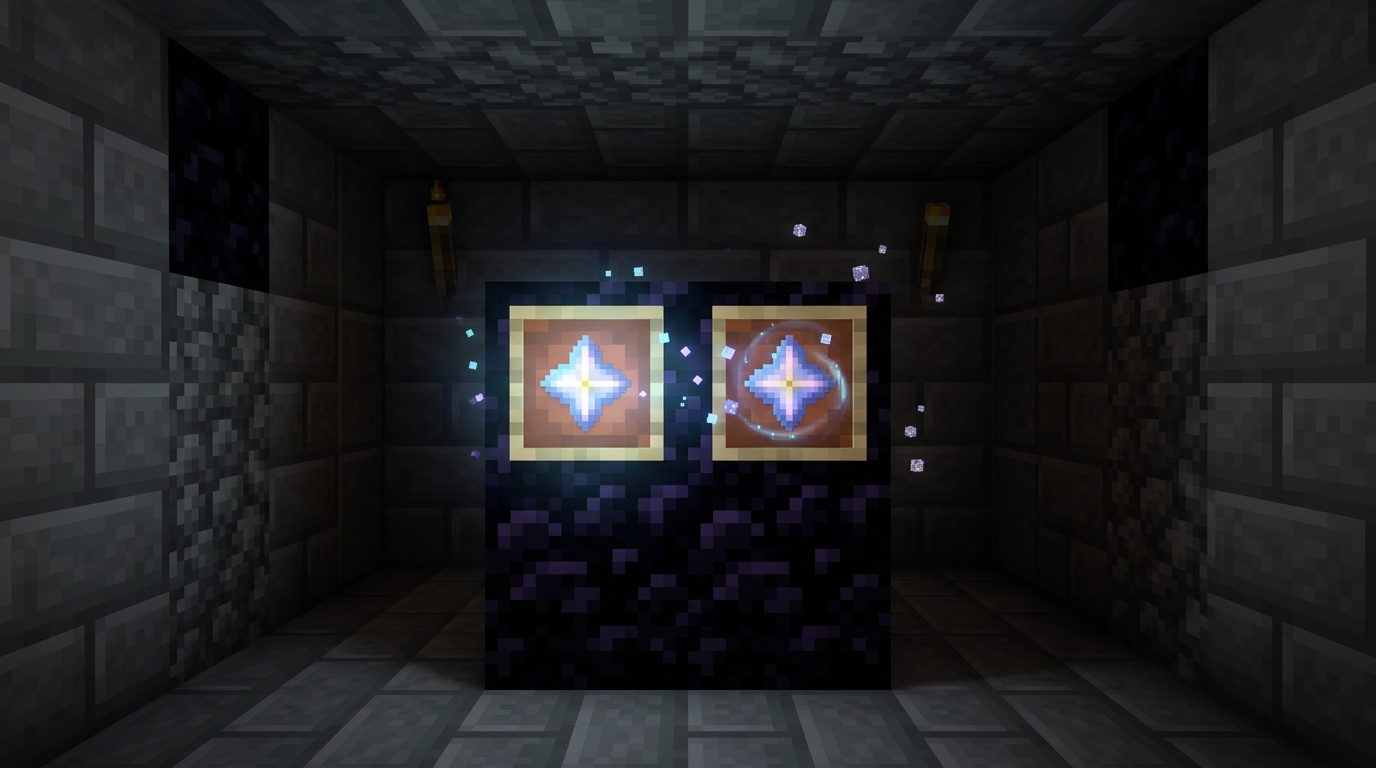
Treat item frame duplication as an unconfirmed, version-specific bug rather than a dependable Minecraft feature. Historical piston and item frame exploits may fail in current Java or Bedrock releases, and some servers may use plugins that change how the mechanic works. Test only with replaceable items, such as cobblestone, dirt, or spare wooden tools, before risking diamonds, netherite, or enchanted gear. Use a private test world where a failed attempt cannot damage your main base or storage.
Server rules matter as much as game mechanics when you test duplication bugs. Check the rules first, and never try item frame duplication on a public multiplayer server without clear permission from the owner or staff. Even if the exploit works, using it could lead to a rollback, item removal, ban, or other penalty. A bug that seems harmless in single-player can affect other players when used in a shared world.
Make a backup before testing, especially if the world contains valuable builds or a long-running survival base. Save a copy of the world, move important items out of nearby chests, and be ready to restore the backup if items vanish or the game behaves strangely. Exploits can cause item loss, disrupted gameplay, or unexpected save problems, so do not treat a duplicated resource as safe until you confirm the result. If the test fails, restore the backup and wait for a verified method that matches your exact Minecraft version and server setup.
Item Frame Duplication Conclusion
Classic item frame duplication is best understood as a historical, version-dependent Minecraft bug rather than a dependable feature of modern vanilla gameplay. Older setups often relied on a filled item frame, a piston, and precise block-update timing, but changes between Java and Bedrock releases could make the same steps fail. If you are testing a method for duplicating diamonds, netherite, or another rare item, check the exact Minecraft edition and release before assuming it still works. A tutorial that worked years ago may no longer apply after bug fixes.
Use a private test world and harmless items first so you do not risk valuable resources or damage a survival save. Treat any working item frame duplication setup as an exploit, not a guaranteed game mechanic, because it may be patched without notice or blocked by server rules. On multiplayer servers, duplication can lead to deleted items, rollbacks, or bans even when the method works technically. Test responsibly, keep backups, and rely on normal mining and trading when you need a stable way to obtain rare materials.
Treat Item Frame Duplication as a Legacy Bug
Item frame duplication is best understood as a historical Minecraft bug, not a dependable feature in current vanilla gameplay. Older piston and item frame setups could sometimes create a second copy of a displayed item, including valuable resources such as diamonds or netherite, when game updates happened in a precise order. Those timing tricks were version-specific, so a setup that worked in an older Java release may do nothing in a newer version or in Bedrock Edition. If you test one, use a backed-up single-player or private world and avoid risking items you cannot replace.
Most current Minecraft releases do not have a reliable, unmodified item frame duplication method you can count on. Server-side settings, plugins, patches, and player rules can also change how these exploits behave, and many multiplayer servers treat duplication as cheating. Check your exact game version before testing, and remember that Creative mode or legitimate resource farms are safer ways to obtain diamonds and netherite. Item frame duplication is mainly part of Minecraft’s bug history, with results that depend heavily on the version and world settings.