
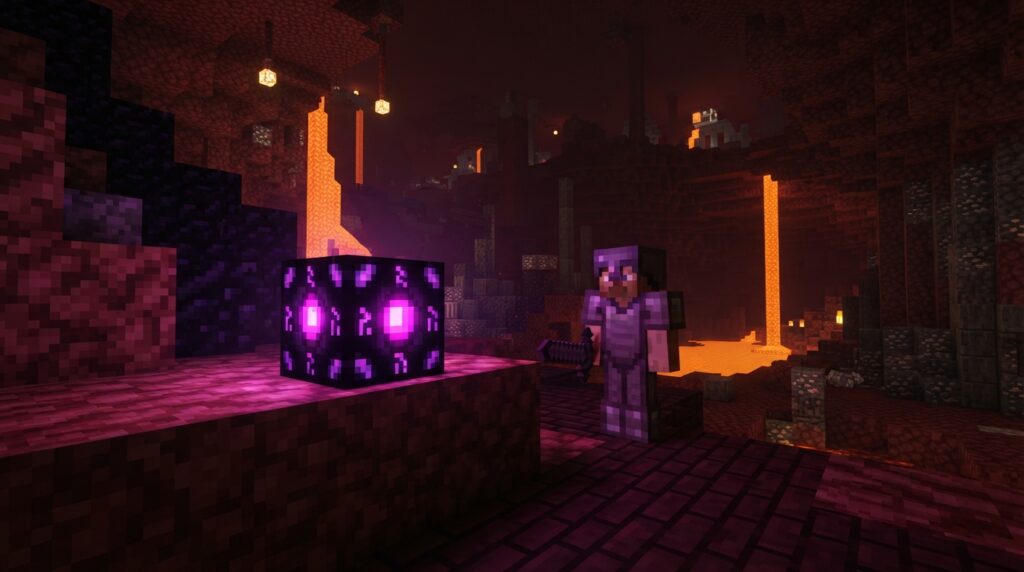
A Respawn Anchor lets you set a respawn point in the Nether, which is useful when you explore far from your portal. Crafting and charging are separate steps: the recipe uses six Crying Obsidian and three Glowstone, and you must add Glowstone to charge the finished block. It holds up to four charges, with one used each time you respawn. If it runs out of charges, you respawn at world spawn, so check its charge before relying on it. Mojang included the block in the Nether Update release in June 2020, and the Java Edition release notes explain the charge limit.
Use the anchor only in the Nether. Activating one in the Overworld or the End makes it explode, so check your location before using it. Minecraft’s Java Edition Nether Update guide warns about this danger.
Key Takeaways
- Craft a Respawn Anchor with six Crying Obsidian and three Glowstone in a crafting table, placing Crying Obsidian in the top and bottom rows and Glowstone in the middle row.
- Charge a Respawn Anchor by using Glowstone on the finished block, then interact with the charged anchor to set your Nether respawn point.
- A fully charged Respawn Anchor holds four charges and uses one each time you respawn, so add Glowstone before a long trip if the anchor is running low.
- Use a Respawn Anchor only in the Nether, because activating one in the Overworld or the End makes it explode.
Respawn Anchor Uses and Limits
A Respawn Anchor is a Minecraft block that sets your respawn point in the Nether. It is useful when you travel far from your Nether portal: after you die, you can return near the place where you were exploring instead of going back to your usual spawn point. For example, an anchor at a remote Nether base gives you a nearby return point if you die while gathering materials.
The anchor has a limited reserve, so it cannot protect you through unlimited deaths. It holds up to four charges, and each respawn uses one. An empty anchor cannot provide another respawn, so you return to world spawn instead. The Java Edition Nether Update release notes describe the four-charge limit and the one-charge cost per respawn.
You need a charged Respawn Anchor to set a spawn point. Placing an uncharged block is not enough. The Nether is also the only safe dimension for using one. In the Overworld or the End, a Respawn Anchor explodes, so it is not a safe substitute for a bed in those dimensions. Minecraft’s Java Edition Nether Update guide warns about the explosion risk.
How Do You Craft a Respawn Anchor?
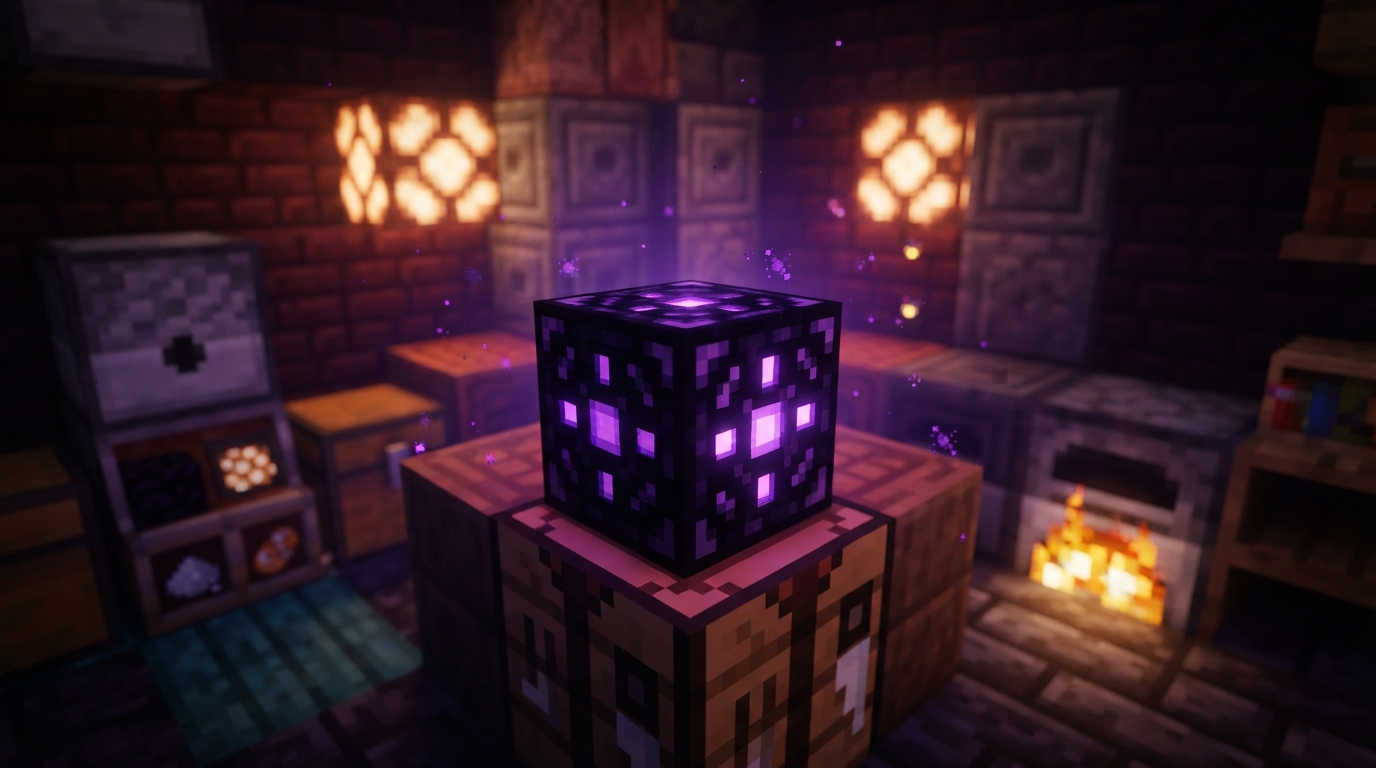
Craft a Respawn Anchor by combining six Crying Obsidian and three Glowstone in a crafting table, following the recipe in The Java Edition Nether Update release notes describe this dispenser function, which lets you charge the anchor without placing Glowstone by hand.
Keep the anchor in the Nether when using it for respawns. It is not a general-purpose spawn block for the Overworld or the End, so choose a spot in the Nether where you can return safely after dying.
How Many Respawns Can It Support?
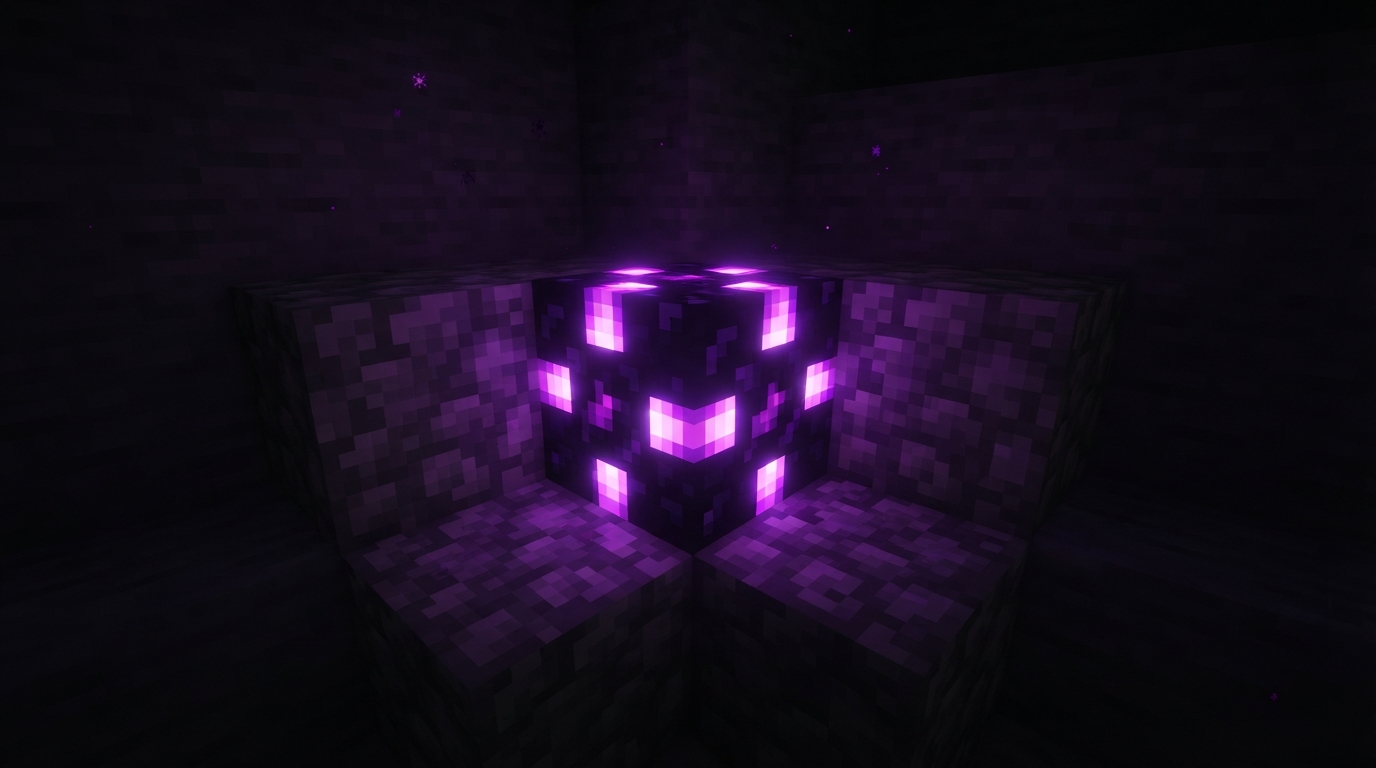
For example, if you start with four charges, your first respawn leaves three. A second death and respawn leaves two, and a third leaves one. The fourth respawn uses the final charge, leaving the anchor empty.
If you die again after the anchor runs out of charges, you respawn at world spawn instead of at the anchor. You could end up far from your Nether base or the route you were exploring. Check the anchor’s charge before relying on it, especially if you have already respawned there. A full anchor gives you more chances to return to your Nether point, but it cannot provide another respawn once all four charges are gone.
The Wrong Dimension Can Be Deadly
A Respawn Anchor is safe to use for setting a respawn point in the Nether. The same block is dangerous in the other dimensions: using it in the Overworld or the End causes it to explode. Minecraft’s Nether Update guide warns about both dimensions.
Remember the simple rule: in the Nether, it sets a respawn point; in the Overworld or the End, it explodes. For example, do not try to activate a Respawn Anchor in your Overworld base or beside an End build. The anchor is for Nether respawns, not as a general-purpose spawn point.
Check your location before using the block, especially if you have carried it through a portal or are switching between dimensions. Confirm that you are in the Nether before interacting with the anchor. A quick dimension check can prevent an explosion and the loss of nearby blocks.
Why Is Your Respawn Anchor Not Working?
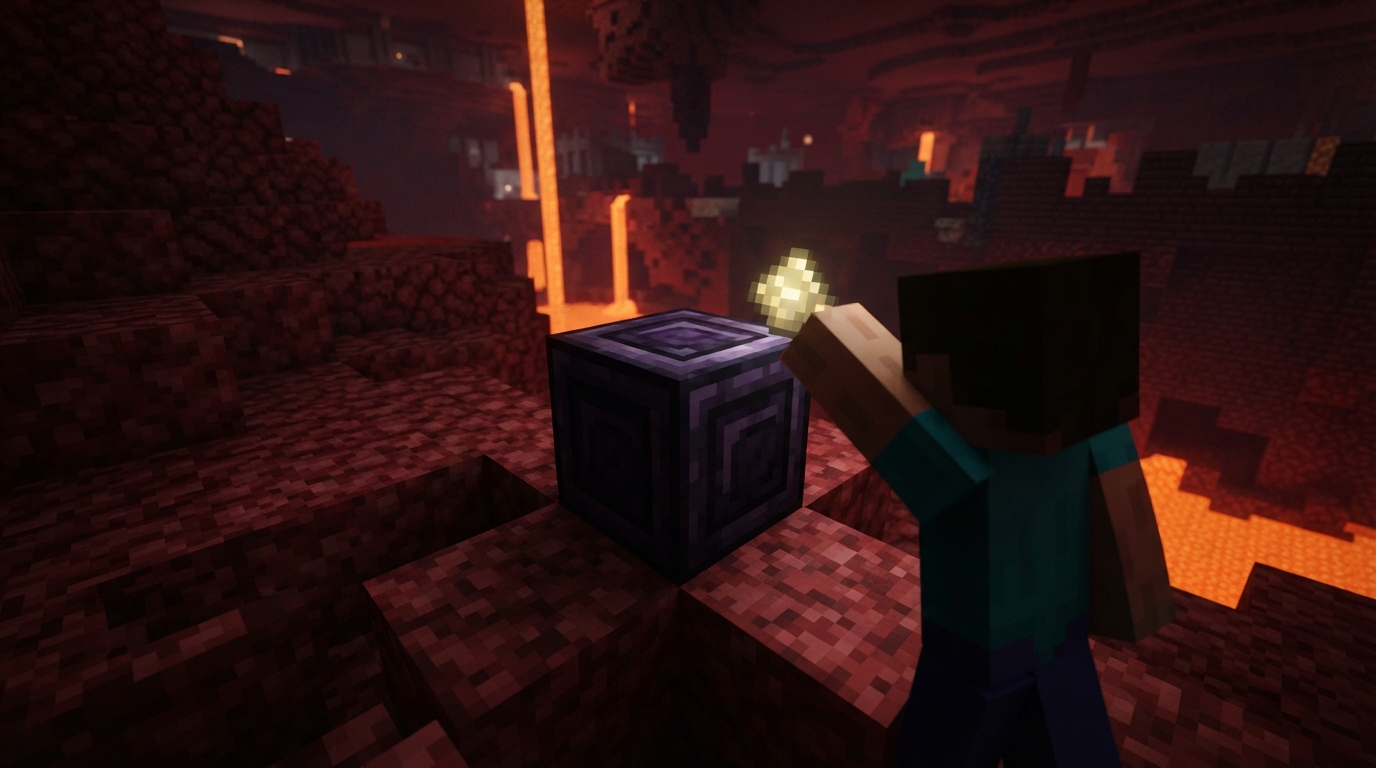
A Respawn Anchor will not set a Nether respawn point if it has not been charged or has no charges left. Using one in the Overworld or the End causes it to explode, so check which situation applies.
- Crafted but not charged: Crafting a Respawn Anchor does not charge it. Use Glowstone on the finished block, then interact with the charged anchor to set your Nether respawn point. A block without a Glowstone charge cannot set that point; Minecraft’s Java Edition Nether Update release notes describe the charge limit and cost.
- Trying to use it outside the Nether: A Respawn Anchor is not safe to use in the Overworld or the End. It explodes in either dimension instead of setting a respawn point. Minecraft’s Nether Update guide explains.
Next, check how many charges remain and add Glowstone if the anchor is running low. It holds up to four charges, and each respawn uses one, so replenish it before a long trip if you have already respawned there. The Java Edition Nether Update release notes describe the charge limit and cost.
If you are about to travel through a portal, pause and confirm that you are interacting with the Nether anchor, not performing the same action in the Overworld. Check before you leave, and take Glowstone with you if you expect to recharge the anchor later.