
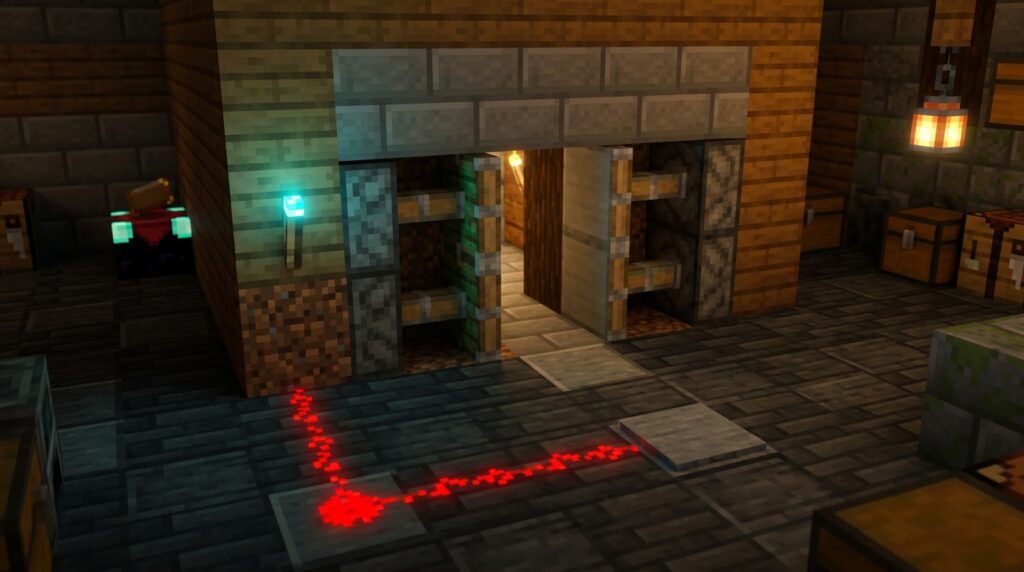
Building the perfect Minecraft base starts with an entrance that feels like magic, but you don’t need to be a technical genius to make it happen. Using simple redstone door designs allows you to trade those clunky wooden doors for sleek, automated gateways that open as you walk toward them. Whether you are playing on Java or Bedrock, these builds focus on saving your precious iron and slime balls while fitting into tight spaces.
You can start with a classic 2×2 piston door that uses pressure plates for a hands-free experience when you return from a long mining trip. If you want to keep your loot safe from friends, a flush Jeb door blends perfectly into a stone wall to hide your secret room. These designs use basic items like redstone torches and dust to give your survival home a professional look without the headache of complex wiring.
Key Takeaways
- Automate your base entrance using simple 2×2 piston doors and pressure plates to create a professional, hands-free experience that keeps mobs out.
- Utilize flush Jeb doors and compact 2×1 secret designs to hide valuable loot and rooms seamlessly within walls or mountainsides.
- Master the core logic of redstone torches and dust to invert signals, ensuring doors stay closed by default and only open when triggered by a hidden lever or button.
- Assemble a dedicated redstone kit containing sticky pistons, repeaters, and dust to efficiently build automated systems without the need for complex technical knowledge.
Building The Classic Automatic Pressure Plate Door
Building a 2×2 piston door is the perfect way to move beyond basic wooden doors and start redstone automation. This design is a favorite for survival players because it looks professional while only requiring a small handful of resources like sticky pistons, redstone dust, and redstone torches. You will love how it feels to walk toward your base and have the walls slide open automatically as you approach. It creates a smooth entrance that keeps your home safe from mobs while adding a layer of polish to your build.
To get started, you only need to gather a few specific items from your chests to complete the circuit. This setup works by using a redstone torch to keep the pistons extended, which holds the door closed until you step on a pressure plate. The signal from the plate briefly turns off the torch, causing the pistons to retract and pull the blocks out of your way. This simple logic is the foundation for many advanced machines in Minecraft, making it a great learning project for any beginner.
- 4 Sticky Pistons: These pull the door blocks back and forth.
- 2 Redstone Torches: These act as the power source to keep the door shut.
- 12 Redstone Dust: This connects your pressure plates to the pistons.
- 4 Pressure Plates: Use stone or wood plates to trigger the opening mechanism.
- Building Blocks: Choose blocks that match your wall to make the door look seamless.
Once you have your materials, you just need to dig a shallow trench under your doorway to hide the wiring. By placing the redstone dust beneath the floor, you ensure the mechanism remains completely invisible to guests. You can use any solid block for the door itself, such as glass for a modern look or stone for a hidden mountain entrance. After you finish this project, you will have a reliable, hands-free door that makes every trip back to your base feel special.
Hiding Your Entrance With Flush Jeb Doors
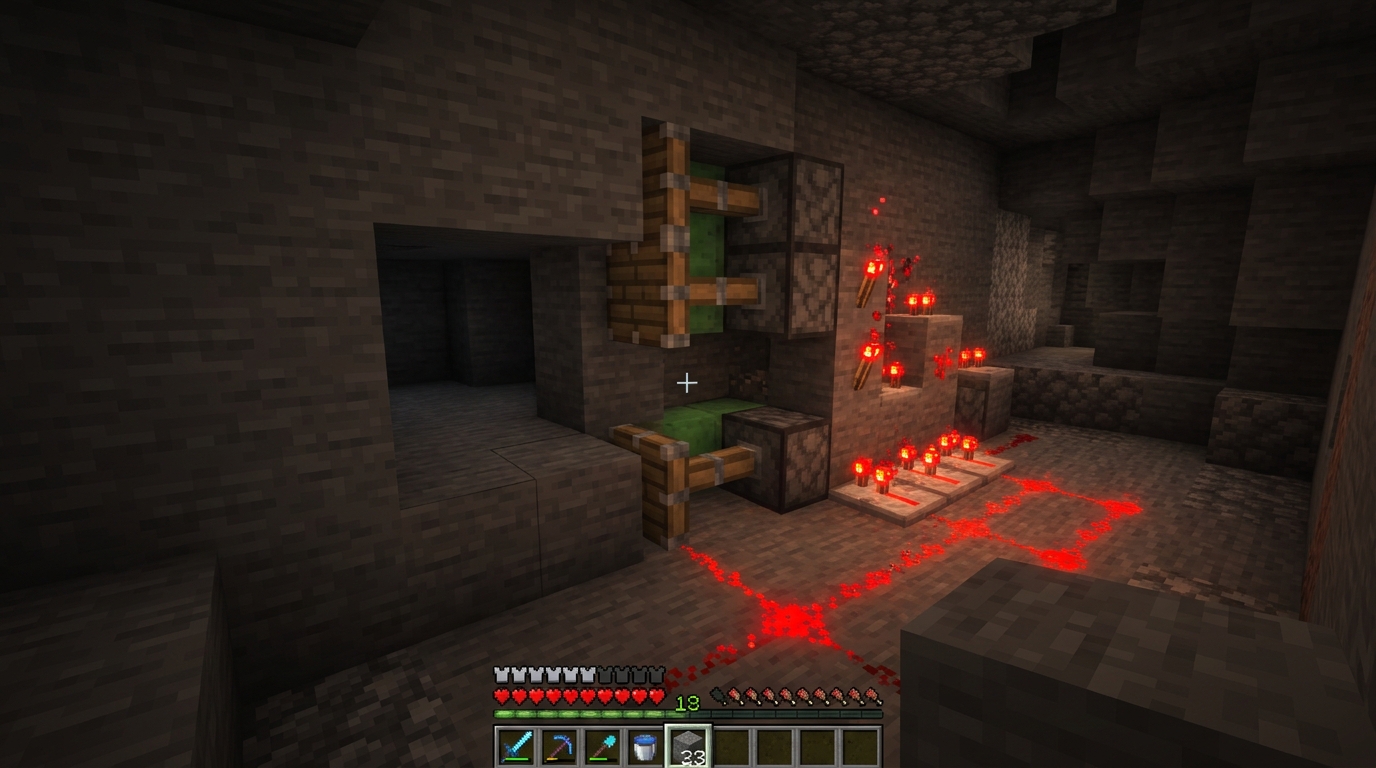
A flush Jeb door is the ultimate way to hide your secret base because it sits perfectly level with your wall when closed. Unlike standard piston doors that leave a noticeable gap or indentation, this design uses a clever layout of sticky pistons to pull blocks back and then slide them out of the way. It is a fantastic project if you want to move beyond basic pressure plates and start experimenting with how redstone signals can move blocks in multiple directions. You will only need a handful of sticky pistons, some redstone dust, a couple of repeaters, and a lever to get everything moving.
Building this door is surprisingly easy once you understand the piston layout. You will place two sets of four sticky pistons facing each other, with two additional pistons on the inside of each set to grab your wall blocks. By using redstone repeaters set to a specific delay, you can ensure the pistons retract in the right order so the wall opens smoothly. This setup is perfect for mountain base entrance ideas or underground bunkers where you want your entrance to be completely invisible to other players.
To get your flush door up and running in your survival world, make sure you have these essential materials ready in your inventory:
- 12 Sticky Pistons to handle the pushing and pulling movements.
- 2 Redstone Repeaters to timing the piston extensions correctly.
- About 10 to 14 pieces of Redstone Dust to connect your components.
- A Lever or a Button to act as your secret trigger.
- Building blocks that match your wall to keep the entrance hidden.
Once your wiring is hidden behind the stone or dirt of your base, nobody will ever suspect there is a room behind that flat wall. You can even hide your activation lever behind a nearby tree or under a piece of carpet to make the entrance even more secure. This design is reliable across different versions of the game, making it a go-to choice for any player looking to add mystery to their home. Experimenting with these simple layouts is the best way to gain confidence with redstone while building something truly useful.
Creating Compact Secret Doors For Small Rooms
Hiding your most valuable loot doesn’t require a massive underground lab or hundreds of redstone components. A simple 2×1 secret door is the perfect entry point for any survival player looking to add some flair to their base without the headache of complex wiring. This design fits perfectly into narrow hallways or behind a simple library bookshelf, making it nearly impossible for friends to spot your hidden stash. You only need a few sticky pistons and some redstone dust to create a secret piston door that stays completely flush with your wall. It is the ultimate way to bridge the gap between basic block building and functional automation.
Setting up this compact entrance is straightforward and uses resources you likely already have in your chest. You can easily trigger the mechanism using a hidden lever behind a painting or a secret button tucked under a stair block. This specific layout is designed to occupy the smallest footprint possible, so you won’t have to tear down your entire house just to fit the machinery. By using a few clever tricks with redstone torches, you can ensure the door stays closed by default to keep your diamonds safe.
- Two sticky pistons to pull the wall blocks back and out of the way.
- A handful of redstone dust to connect your trigger to the pistons.
- One redstone torch to invert the signal so the door stays shut.
- A lever or button placed in a clever spot to act as your secret key.
Once you master this 2×1 design, you will feel much more confident experimenting with larger piston doors or hidden staircases. This build teaches you the core basics of how pistons interact with blocks and power sources in a way that is easy to troubleshoot. Because it is so small, you can place these doors all over your base to create a network of private rooms or escape tunnels. It is a fun, rewarding project that makes your Minecraft home feel much more professional and secure.
Essential Redstone Supplies For Survival Builders
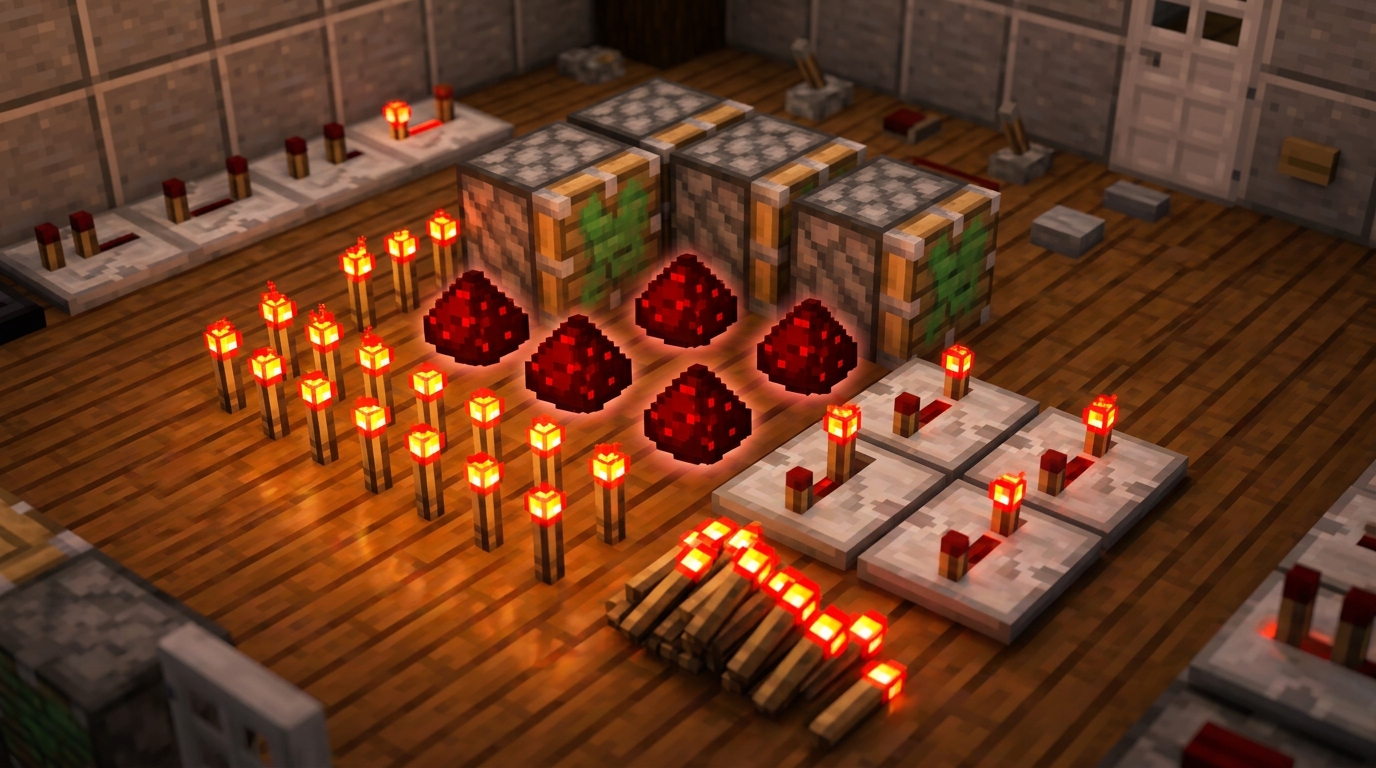
Before you can start building your first automatic entrance, you need to stock up on a few fundamental items that make redstone work. Most simple door designs rely on a small handful of blocks that you can easily find while mining or crafting at your base. You will definitely need plenty of redstone dust to lay down power lines, along with redstone torches to act as power sources or invert signals. It is also a great idea to craft a stack of repeaters to help time your door movements and keep the signal strong over longer distances. Having these essentials ready in your inventory will save you from having to run back to your storage chests mid-build.
Sticky pistons are the most important component for any door that needs to pull blocks out of your way. Unlike regular pistons, these use a slime ball to ensure the door blocks actually stick to the machine when it retracts. You should also gather some pressure plates or levers depending on how you want your entrance to open. Oak or stone pressure plates are perfect for a hands-free walk-through experience, while buttons offer a more controlled feel. Keep a stack of filler blocks like cobblestone or smooth stone on hand to hide the messy wiring once your project is finished. Once you’ve mastered doors, you can even use these same components to build an automatic armor swapper to change your gear instantly.
- Redstone Dust: The wiring that connects your switches to your pistons.
- Sticky Pistons: These move your door blocks back and forth reliably.
- Redstone Torches: Used to keep doors closed by default and invert signals.
- Pressure Plates: Great for triggering your door automatically as you walk up.
- Building Blocks: Any solid block like stone or wood to act as the actual door.
Building a cool entrance is much easier when you have a dedicated redstone kit prepared in a shulker box or chest. You do not need thousands of resources to make a 2×2 sliding door, but running out of dust halfway through can be frustrating. Always bring a few extra repeaters than you think you need, as they are helpful for fixing timing issues if your pistons are firing out of order. Once you have these supplies gathered, you are ready to move from basic wooden doors to a fully automated base entrance. This small investment in materials will make your survival home feel much more professional and secure.
Mastering Your First Automated Minecraft Entrance
Now that you have finished your first redstone door, you have officially taken your first step into Minecraft automation. Whether you chose a classic sliding entrance or a hidden starter base designs door, these simple builds prove that you do not need a massive inventory of rare items to make something impressive. Seeing those pistons fire and those blocks move for the first time is a great feeling that every builder remembers. You can now walk into your base without manually clicking a door, which makes your survival world feel much more professional.
These basic circuits are the building blocks for much larger projects as you continue to explore your world. The same redstone dust and torches you used for your 2×2 door can eventually power automatic farms, hidden staircases, or even complex security systems. Once you understand how a pressure plate triggers a signal to retract a piston, you can apply that logic to almost anything you want to build. Experimenting with these small designs helps you gain the confidence to try out more advanced contraptions without feeling overwhelmed by technical details.
Keep looking for ways to hide your wiring or change the materials of your doors to match the surrounding area. You might try using furniture glitches or glass blocks for a sleek laboratory look or stone blocks to make your entrance blend into a mountainside. Every time you tweak a design or fix a broken circuit, you are learning more about how Minecraft mechanics work. Your journey with redstone is just beginning, and there are endless possibilities for what you can automate next in your favorite builds.